

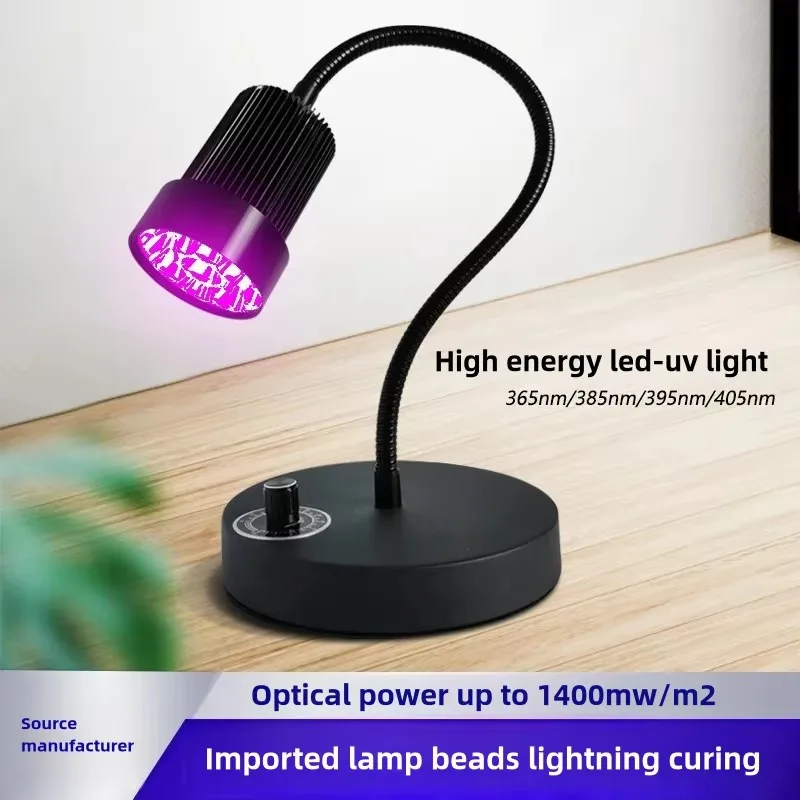
1. What is the effective distance of the 395nm UV curing lamp?
In simple terms, the effective distance refers to the maximum irradiation distance at which ultraviolet rays can function properly and fully solidify the material. In actual production and use, people usually determine this value based on the size of the solidification area.
The effective distance of this lamp is not fixed. The lamp's power, emission wavelength, the condition of the workpiece surface, as well as the surrounding environment, all can cause variations in the final usable irradiation range.
II. Main Factors Affecting the Effective Radiation Distance
Lamp power
The power of the lamp directly determines the intensity of ultraviolet radiation. The higher the power, the stronger the light coverage ability, and the farther the distance for normal curing can be reached; conversely, if the power is low, the effective irradiation range will also shrink.
2. Matching wavelength
Ultraviolet rays with a wavelength of 395nm can be compatible with most photosensitive materials. Different materials have varying degrees of light absorption, and the curing effect will also differ, which in turn indirectly affects the actual applicable irradiation distance.
3. Surface condition of the workpiece
If the surface of the object to be processed is highly reflective, most of the ultraviolet rays will be reflected away, resulting in less light energy received by the material. The curing effect will be compromised and the effective irradiation distance will be limited. For objects with weak surface reflectivity, the light utilization rate is higher and the application range will be more stable.
4. On-site Environment
The temperature and humidity of the working environment, as well as dust and impurities in the air, all interfere with the transmission of ultraviolet rays. When the environment is humid and there is a lot of dust, the light will be blocked and scattered. This not only affects the curing effect but also shortens the effective usage distance of the lamps.
III. How to Determine the Effective Illumination Distance of Lamps
The most straightforward way to find the appropriate working distance is through on-site testing. First, determine the appropriate base parameters such as curing time and light intensity based on the materials used. Then, continuously adjust the distance between the lamp and the workpiece, and observe the finished product status after curing one by one.
Based on the quality of the finished product and the curing speed at different distances, a reasonable range of distances can be determined.
In addition, you can also refer to the technical parameters provided by the equipment manufacturer. Manufacturers usually mark the recommended usage distance for their products, which can be used as a reference for the initial debugging. When encountering special working conditions and materials, you can also consult experienced technicians in the industry. By combining past experience, you can quickly determine the usage plan.
IV. The Practical Significance of Reasonably Controlling the Appropriate Distance
For the curing process, the irradiation distance is a crucial parameter to consider. Only when the material is within the effective distance range can it be fully cured, avoiding problems such as sticky surfaces and incomplete curing, thereby ensuring the quality of the final product.
At the same time, once the usable distance of the lamps is determined, we can also reasonably plan the placement of equipment, adjust the production process, and make the entire operation process more smooth. This not only improves the overall work efficiency but also reduces material waste and controls production costs.
Of course, when choosing and using curing lamps, one cannot only focus on the irradiation distance. The curing speed, power consumption of the equipment, and operational stability, among other details, also need to be comprehensively considered. Different processing techniques and different raw materials have different requirements for the equipment. Before purchasing and debugging the equipment, everyone must combine their actual needs to select the matching product.
Summary
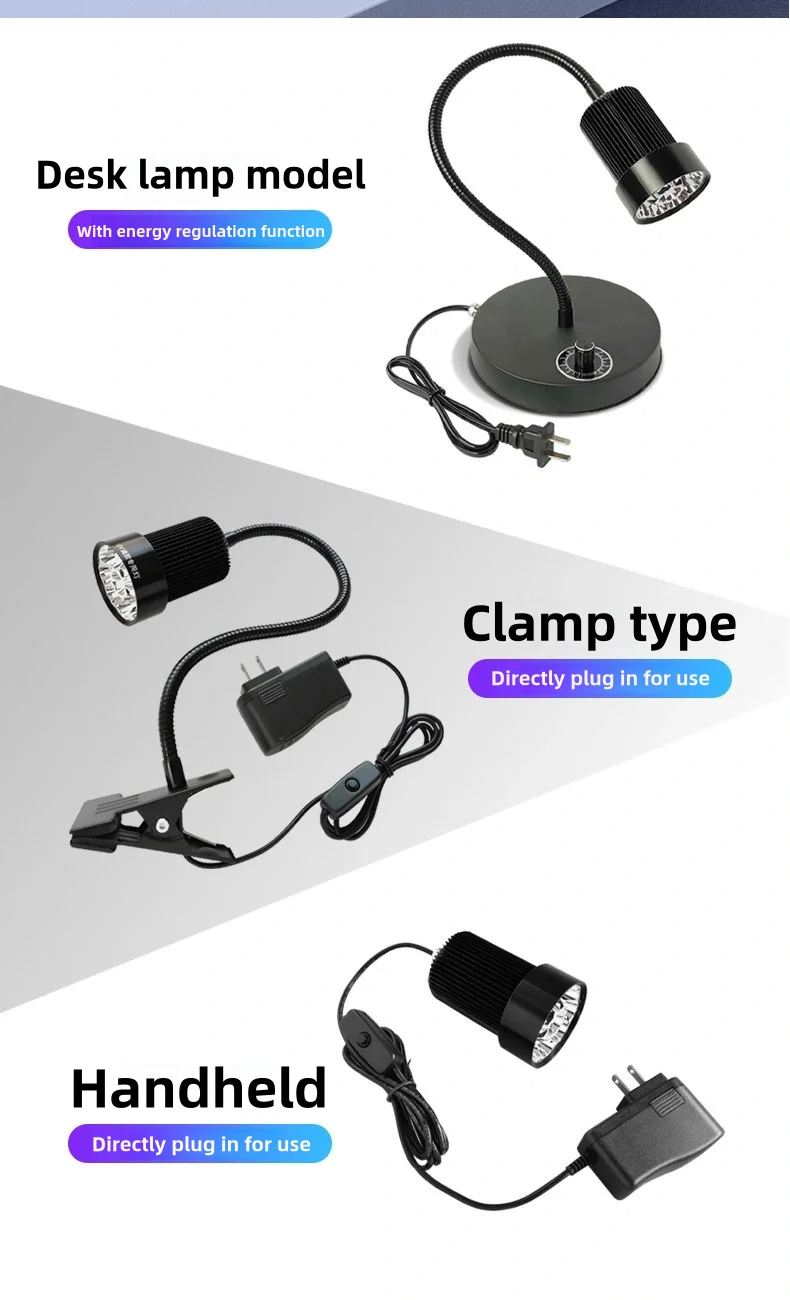
Overall, the effective irradiation range of the 395nm UV curing lamp refers to the maximum extent over which the light can solidify the material. It is influenced by multiple factors such as the lamp's power, the material's properties, the surface condition, and the on-site environment.
During daily use, we can determine the appropriate working distance through on-site measurements, referring to manufacturer parameters, and consulting professionals. In actual selection and production operations, in addition to paying attention to the irradiation distance, we also need to make a comprehensive judgment based on our own processes and usage scenarios. Only in this way can we ensure the quality of curing while optimizing the entire production process and maximizing the utilization value of the equipment.