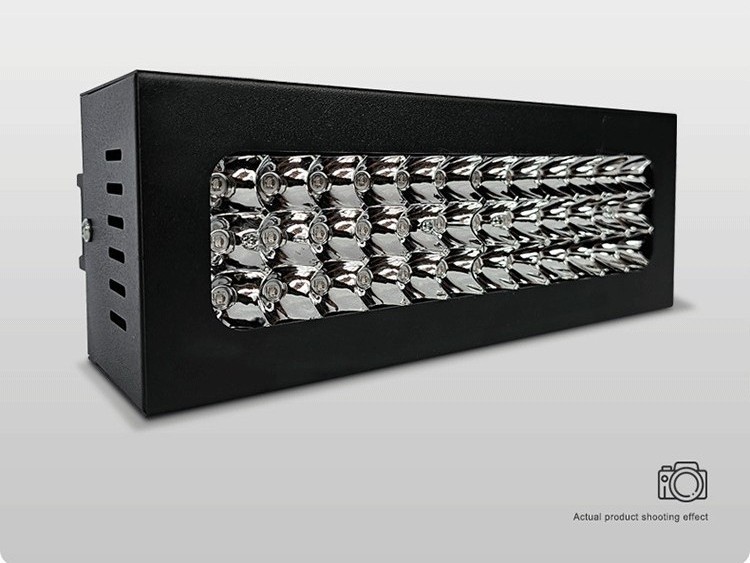
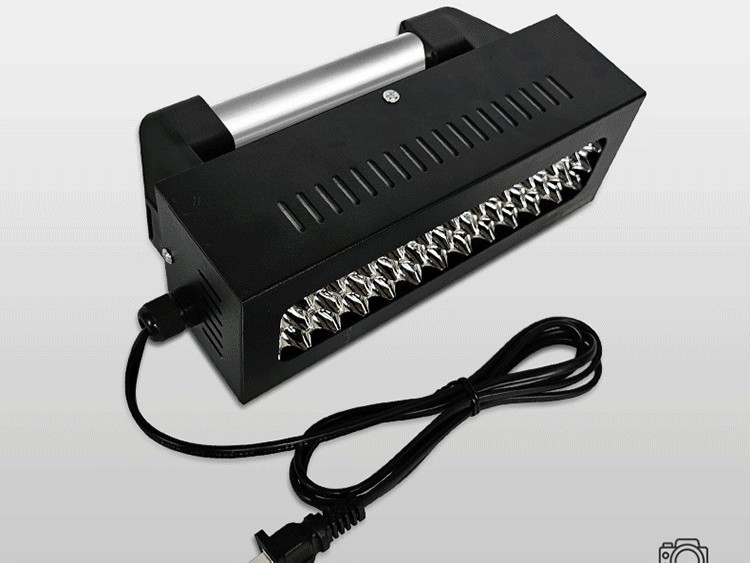
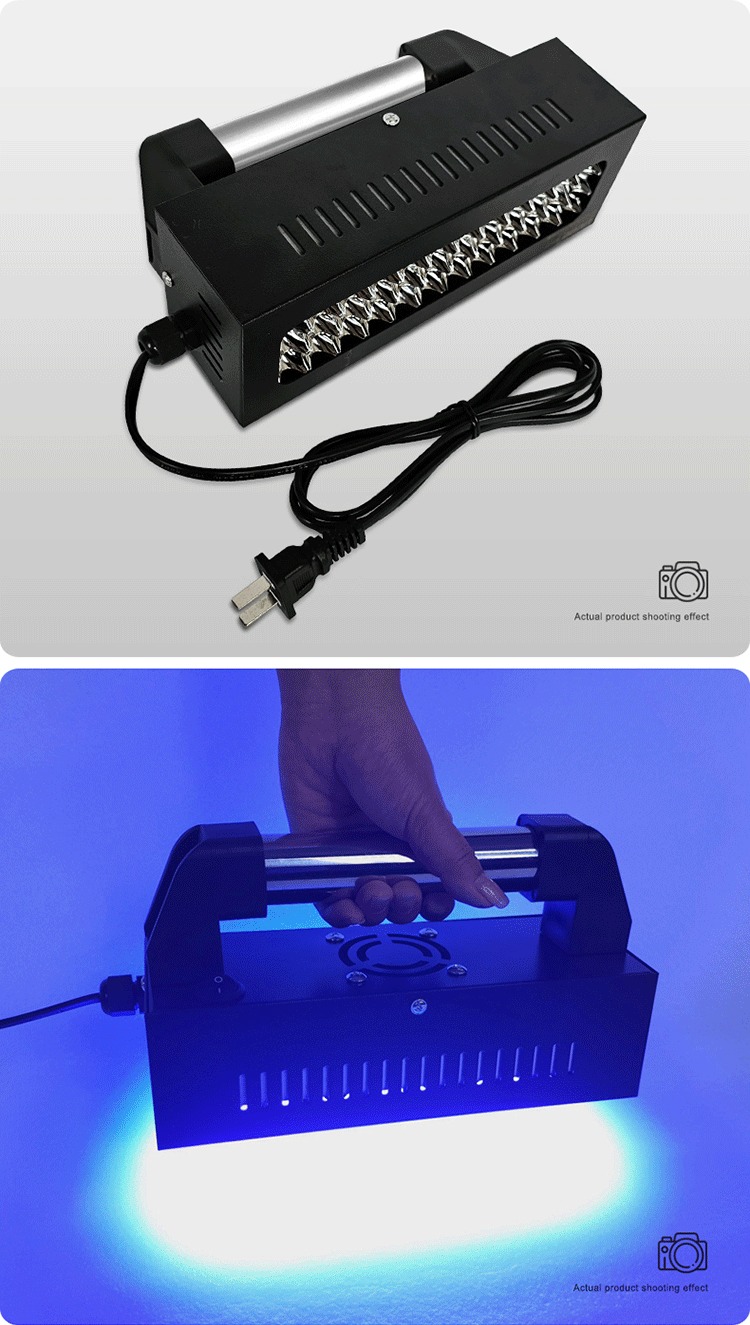
UV curing light Automotive repair details:
(1) Product name: UV curing light Automotive repair
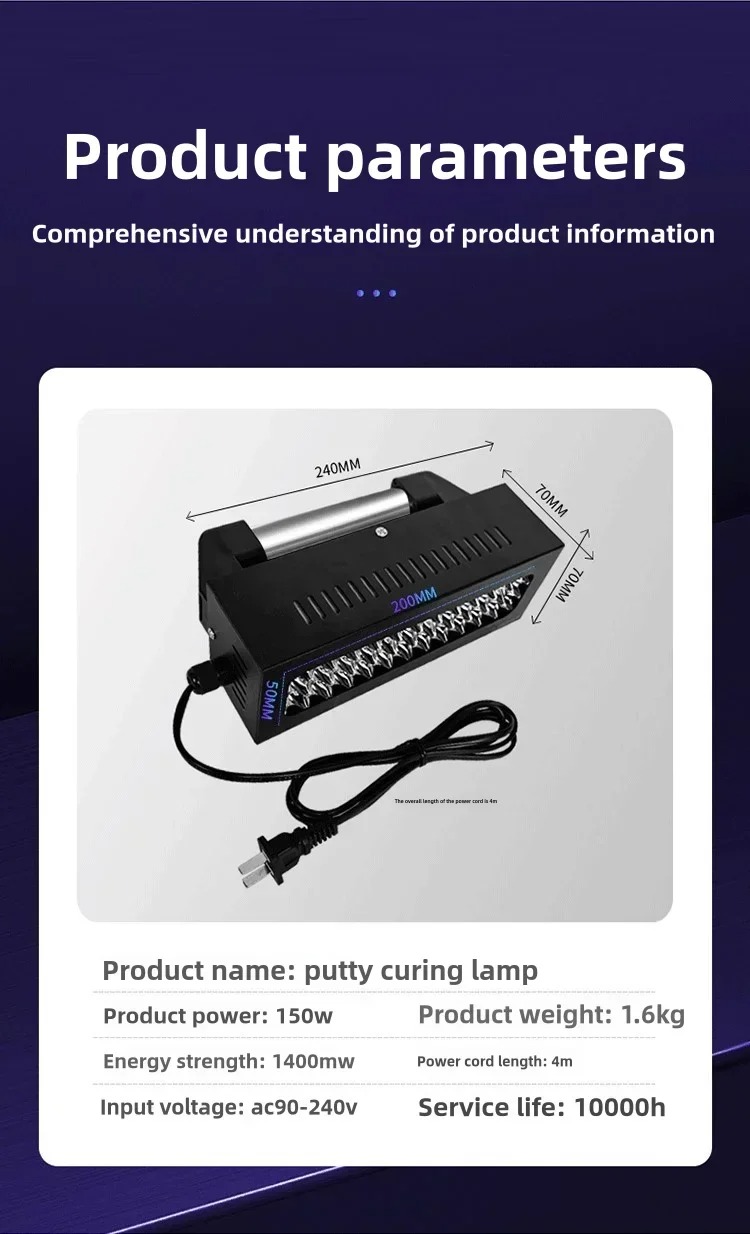
(2) product power: 150W -300W
(3) input voltage: AC90-260V 50Hz.
(4) Color: 365nm/395nm/405nm ultraviolet light (ultraviolet light is invisible light).
(5) Lamp socket model: Portable
(6) Lamp holder material: aluminum.
(7)Emitting distance: Recommended 3-5 cm. The closer the distance, the faster the curing speed.
(8)Ambient temperature: 5°C - 42°C (operating environment)
(9)Relative humidity: ≤ 85%
(10) Warranty of UV curing light Automotive repair: 2 years.
UV curing light Automotive repair Description
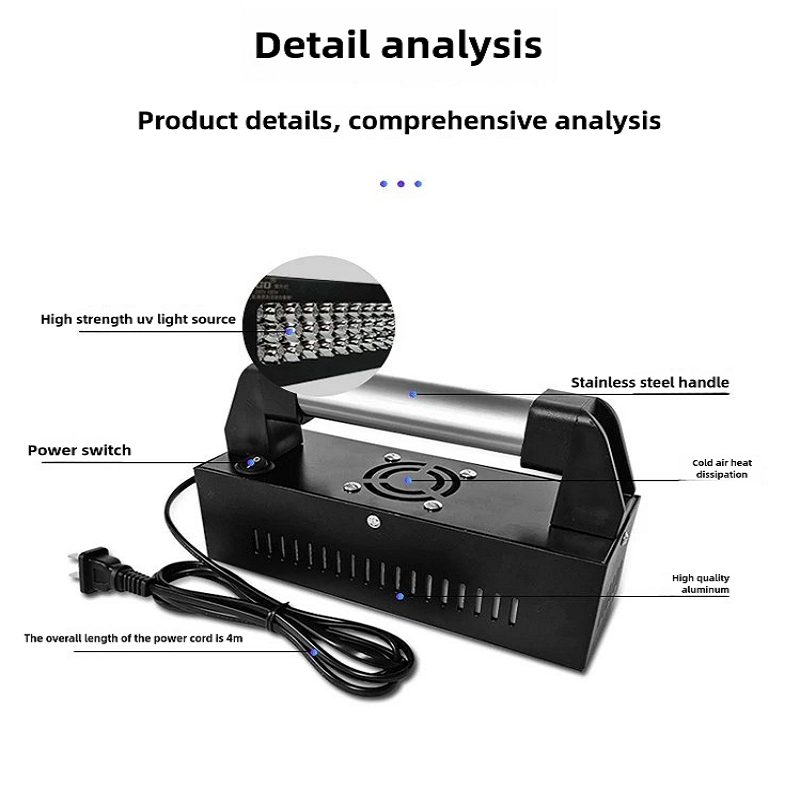
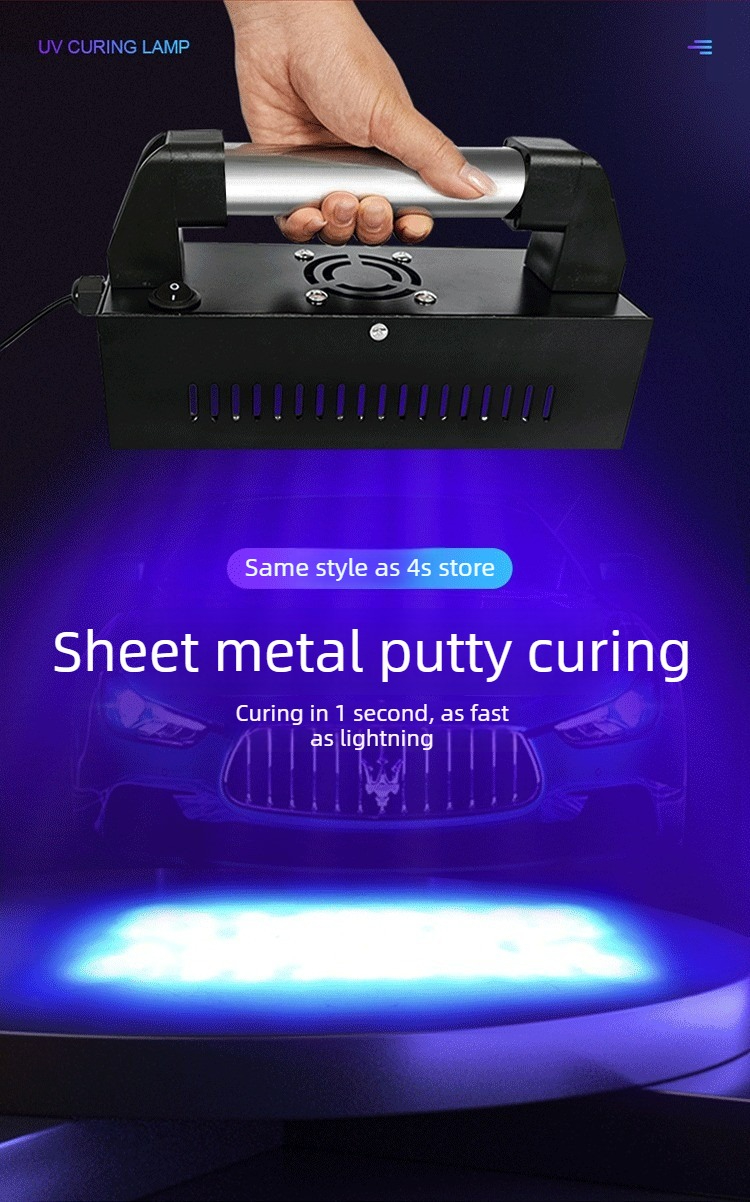
* Ultraviolet light source with strong penetrating power, capable of drying the paint within seconds
* UV curing light Automotive repairhead can freely rotate independently in multiple directions, allowing for different angles of painting on the vehicle body
* UV curing light Automotive repairhead housing uses a stainless steel mirror surface reflector, providing excellent refraction and heat concentration effects
* Dries quickly, highly energy-efficient, and results in a beautiful paint finish
* Portable, flexible, and highly practical
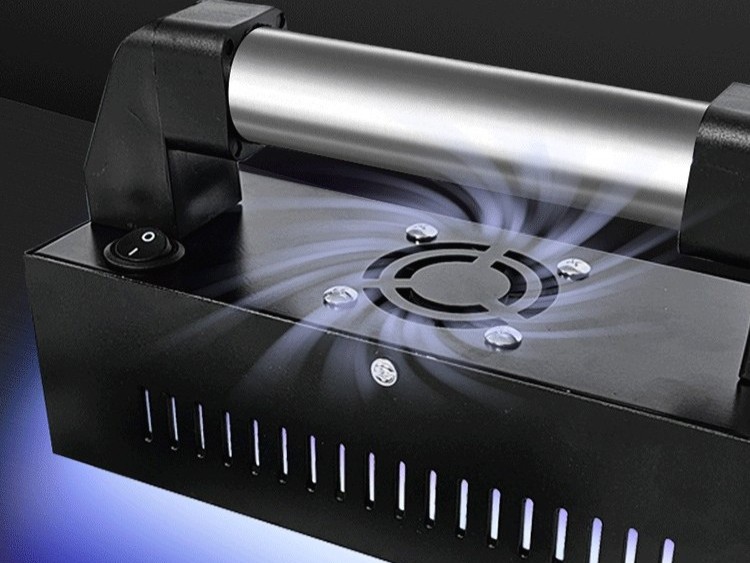
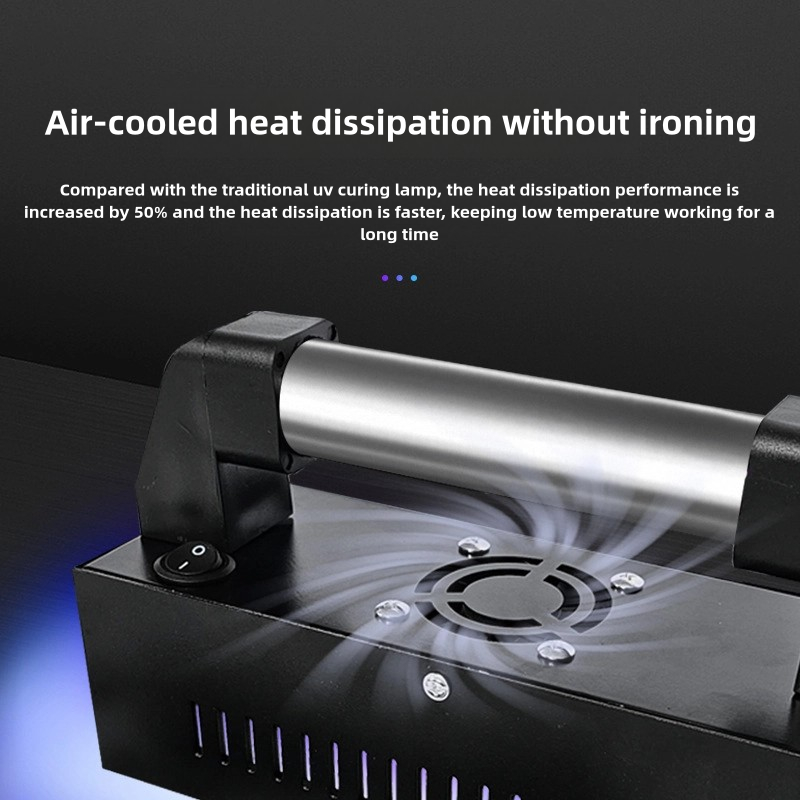
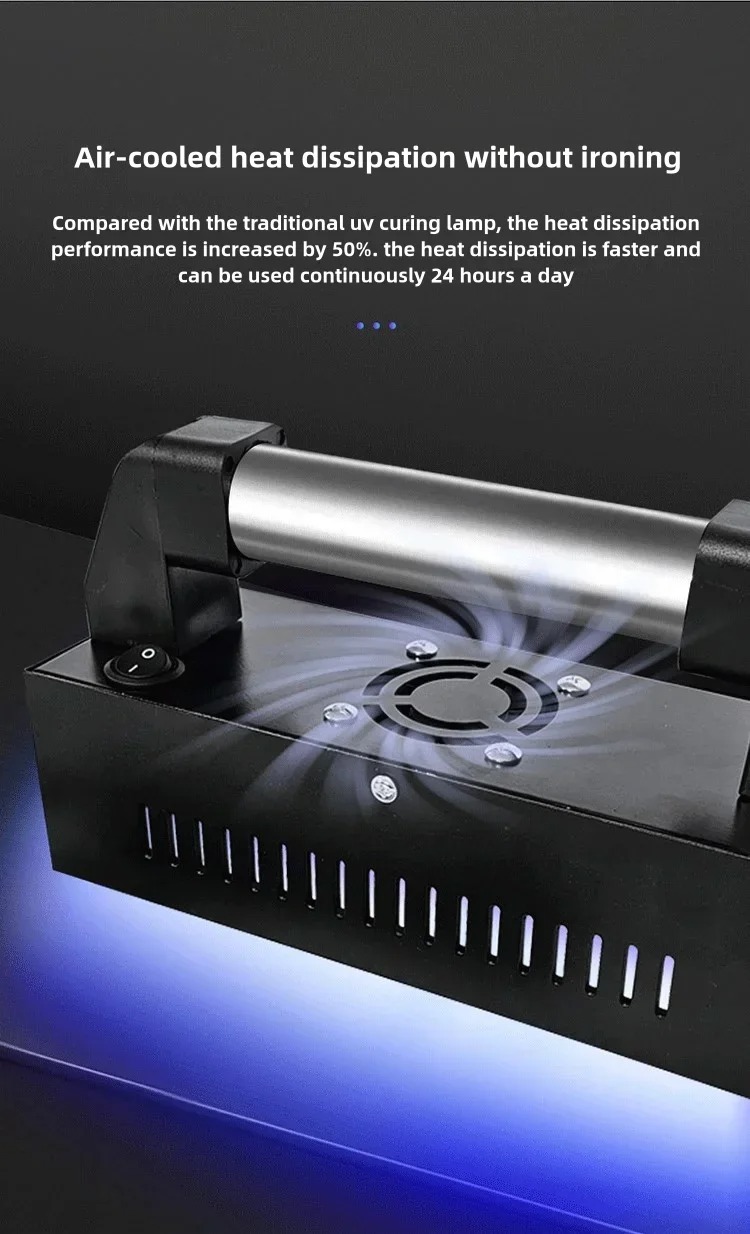
* Equipped with a fan and cooling function, safe and reliable
* Metal support, attractive appearance, and sturdy structure
* Air-cooled, high power, with a long lifespan of approximately 10,000 hours
* Portable design, stainless steel handle with strong grip, convenient to use and portable for single-handed use
An unknown treasure tool:
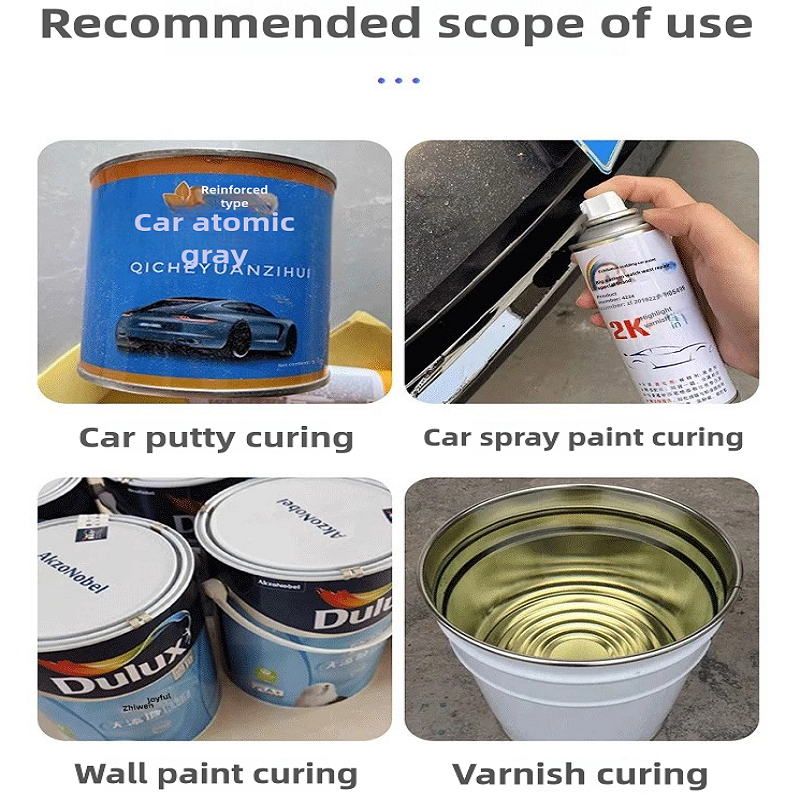
The combination of UV curing light Automotive repair and atomic putty is truly a "divine partner" in car paint restoration! The operation is also super simple. First, smooth out the metal parts, apply atomic putty to fill the gaps, and then shine this UV curing light on it. It dries in just a few seconds, without the need to wait for a long time. The efficiency is directly doubled. The key point is that the effect is really fine. After sanding and spraying the car paint, the repair marks are almost invisible. Friends would think I did the full car paint job. Moreover, the entire process, without exaggeration, is even easier than applying a facial mask. The key is that it's environmentally friendly and clean, with no pungent smell. It can be done on the balcony at home. If you have similar small scratches or paint peeling problems, you Could have a try this amazing method. It saves time, effort, and worry.
The car glass repair curing lamps are usually 365-wavelength extended ultraviolet curing lamps (UV curing lamps), and there are also lamps using specific wavelengths in the visible light spectrum. The core principle is to excite the photosensitive components in the repair material with specific wavelengths of light, triggering a photochemical reaction, and causing the material to rapidly change from a liquid or gel state to a solid state, achieving the curing effect. The following will explain it from three aspects: technical principle, advantages, and application scenarios:
Technical Principle and Types
The commonly used curing lamps in car glass repair are mainly 365nm UV lamps. This wavelength belongs to long-wave ultraviolet (UVA), with strong penetrating power and high curing efficiency for photosensitive resins. Some equipment will use specific wavelengths of visible light (such as blue light), adjusting the light source wavelength to match the absorption characteristics of different repair materials to ensure the curing effect. When the light is irradiated, the light initiator in the material absorbs energy and decomposes to produce free radicals, triggering the cross-linking reaction between resin molecules, and ultimately forming a stable structure. This process usually takes several seconds to several minutes to complete, much faster than the several hours or even several days required for natural curing.
Core Function and Advantages
Accelerated curing, improved efficiency Traditional repair relies on natural light or ambient temperature, with long curing times and being affected by weather. The curing lamps can shorten the curing time to 5-10 minutes by concentrating the output of high-energy light, significantly improving the repair efficiency, especially suitable for emergency repair scenarios.
Enhanced repair strength, prevention of secondary cracking Rapid curing can reduce the internal stress caused by material contraction, avoiding secondary cracking in the repair area due to stress concentration. At the same time, the uniform light distribution ensures consistent curing depth of the material, improving the mechanical properties and durability of the repair layer.
Environmental protection and economy UV car repair light use cold light technology, without volatile organic compounds (VOC) emissions, meeting environmental protection requirements. Their energy consumption is only 1/5 of traditional thermal curing equipment, and the lamp lifespan is up to several thousand hours, with lower long-term usage costs.
Application Scenarios and Precautions
UV car repair light are widely used in the repair of bullseye and star-shaped cracks on car windshields. When operating, pay attention to:
Wavelength matching: Select the corresponding wavelength lamp according to the type of repair material (such as UV lamps are suitable for acrylic resins, and visible light lamps are suitable for certain new photosensitive gels).
Uniform light: Avoid local overheating or insufficient curing, keep the distance between the lamp and the glass surface consistent (usually 5-10cm).
Safety protection: UV car repair light require wearing goggles to prevent ultraviolet damage, and visible light lamps need to avoid direct eye exposure.
Through precise control of the light curing process, car glass repair curing lamps have become a key tool for improving efficiency and quality in modern car repair.
Which one is better,365nm or 395nm? it depends on the type of glue you use and the curing thickness. Don't just consider the price or brightness. Choosing the wrong wavelength can result in the glue surface drying while the inside is still soft.
What's the difference between wavelength and energy?
1. 365nm has higher energy: shorter wavelength, higher photon energy, can activate photoinitiators faster, suitable for materials with high sensitivity to light.
2. 395nm has deeper penetration: longer wavelength, better penetration in transparent or semi-transparent glue layers, less likely to be completely absorbed by the surface, suitable for thick glue layer curing.
3. The visibility is different: 365nm is almost invisible, 395nm emits pale purple-blue light, it's easier to see the irradiation position during operation, but don't mistake visible light for strong penetration.
How to choose wavelength based on glue?
1. First, check the glue manual: different photosensative have different absorption wavelengths, this is the most accurate basis. Mismatch will lead to curing failure.
* Epoxy resin glue: usually suitable for 365nm, with higher curing efficiency.
* Acrylic system: more suitable for the 395nm-405nm band.
* Contains 184/TPO-L components: prefer 365nm, absorption efficiency is 3-5 times that of 395nm.
* Contains TPO/907 components: prefer 395nm, can achieve deep curing of thick glue layers.
2. Then, look at the glue layer thickness:
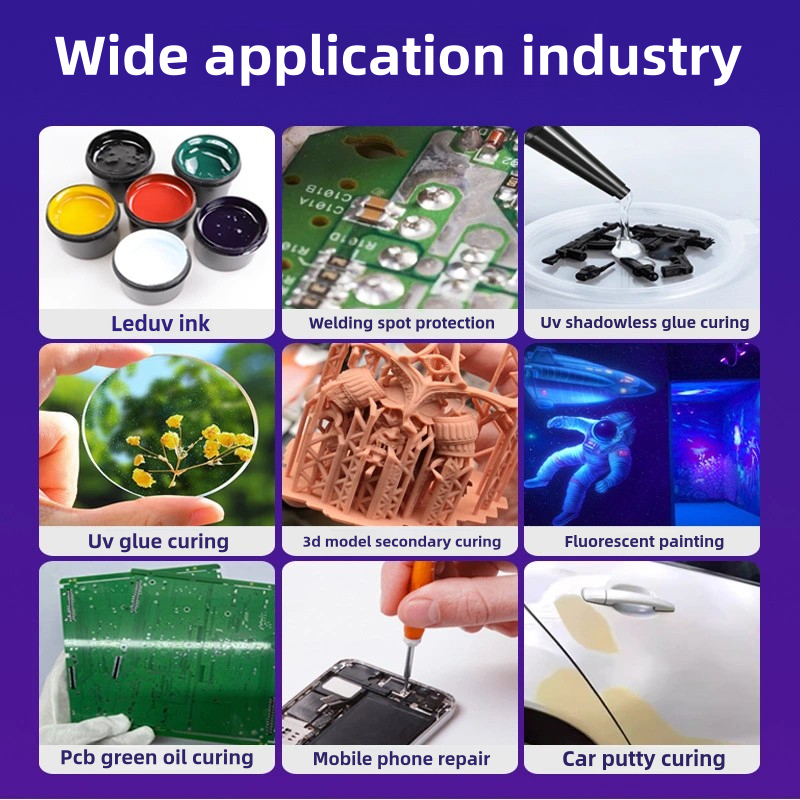
* Thin glue layer (<0.5mm): such as phone screen repair, PCB green oil, choose 365nm to ensure high curing strength.
* Thick glue layer (>0.5mm): such as furniture UV coating, resin drop coating, choose 395nm to avoid "surface drying and softening inside".
3. Finally, look at the base material density:
*Dense base material (glass, metal): pursue strength choose 365nm, pursue production speed choose 395nm.
*Loose base material (plastic, wood): prefer 395nm, better penetration.
Which one is more cost-effective?
1. 395nm has a lower cost: Under the same power, the 395nm LED has a 20%-30% higher efficiency in light emission and a cost reduction of about 30% for the equipment, making it more energy-efficient.
2. 365nm has stronger performance: The shear strength of the cured adhesive layer is 10%-15% higher than that of 395nm, and it has better resistance to temperature extremes and aging, making it suitable for high-end scenarios such as medical and automotive electronics.
3. Lifespan and maintenance: The lifespan of 395nm lamp beads is usually longer, while the energy consumption of 365nm lamp beads is relatively faster, and regular attention to the attenuation of light intensity is required.
4. Safety protection: Both types of lamps require special UV400 protective glasses when operating. 395nm has strong penetration and is prone to damaging the retina, while 365nm has high energy and is prone to damaging the cornea. Neither can be directly viewed.